

Please Leave Us A Message
Privacy statement: Your privacy is very important to Us. Our company promises not to disclose your personal information to any external company with out your explicit permission.



Anionic surfactants are a class of surface-active agents that carry a negative charge on their hydrophilic head group. As the most widely used category in industrial chemistry, they are essential for reducing surface tension, enabling effective wetting, foaming, emulsifying, and dispersing across diverse applications. From household cleaning formulations to heavy-duty industrial detergents, anionic surfactants provide the performance backbone that buyers rely on for consistent results.
Tianjin Gnee Biotech Co., Ltd. specializes in supplying high-purity anionic surfactants and related chemical raw materials to global procurement teams. With over eight years of experience in basic organic chemicals, we offer reliable supply chains, competitive pricing, and technical support tailored to your formulation needs. Whether you require linear alkylbenzene sulfonates (LABSA), sodium lauryl sulfate (SLS), or other specialized anionic compounds, our product portfolio is designed to meet international quality standards and support your production efficiency.
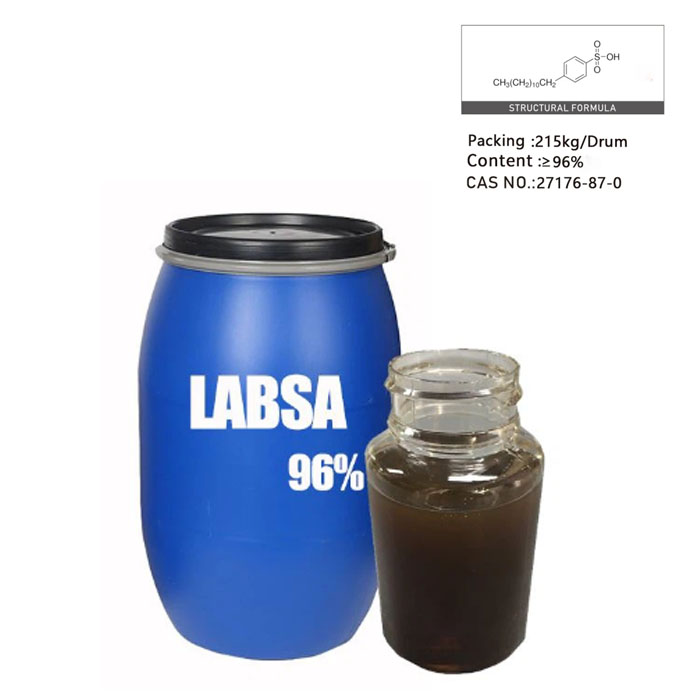
In the anionic surfactants market, batch-to-batch consistency is critical for maintaining your formulation stability and end-product performance. Our manufacturing processes adhere to strict quality control protocols, ensuring that every shipment meets specified purity levels, active matter content, and physical properties.
With a dedicated facility spanning 800 square meters and a team of more than 200 professionals, Tianjin Gnee Biotech maintains full oversight of the production cycle — from raw material sourcing to final packaging. This vertical integration allows us to respond quickly to order volumes, manage inventory effectively, and deliver products that align with your quality specifications without compromise.
Reduced risk of production downtime: Consistent anionic surfactant quality means fewer formulation adjustments and less waste on your production floor.
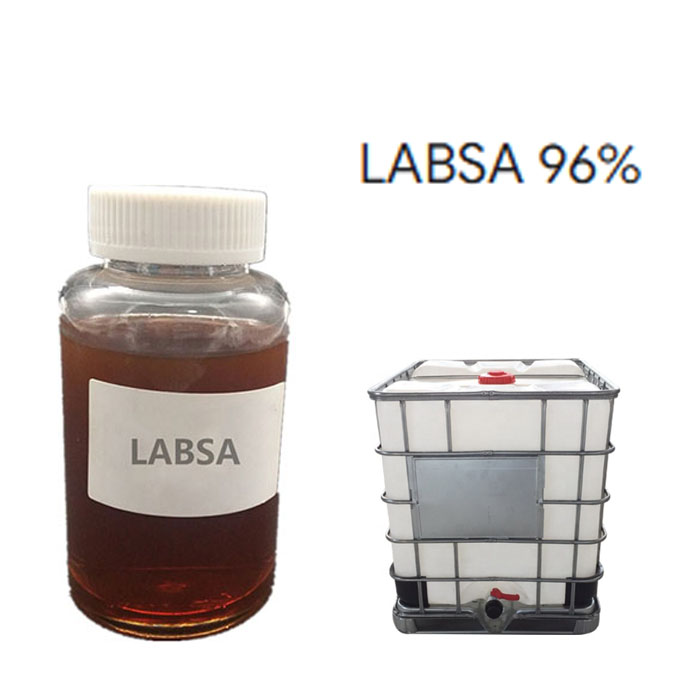
Selecting the correct anionic surfactant requires balancing performance requirements, regulatory compliance, and cost considerations. The right choice depends on your application — whether it is personal care, industrial cleaning, agricultural formulations, or textile processing.
Active matter content: Higher active matter reduces transportation costs per unit of functionality and simplifies dosing calculations.
Purity and impurity profile: Low residual monomer and byproduct levels ensure safer handling and better compatibility with other formulation ingredients.
Solubility and pH range: Matching the surfactant's solubility characteristics to your process conditions prevents phase separation and ensures stable performance.
Our technical team can assist in evaluating which anionic surfactant variant — such as LABSA, SLES, AES, or sodium oleate — best fits your specific formulation parameters and target market requirements.
Tianjin Gnee Biotech operates its own production facilities, giving buyers direct access to manufacturing capabilities without intermediary markups. This structure supports competitive pricing and greater supply chain transparency.
As a diversified supplier of organic chemicals, plastic raw materials, food additives, and petroleum chemicals, Gnee enables consolidated purchasing — reducing administrative overhead and streamlining vendor management.
Beyond standard anionic surfactant grades, the company provides tailor-made chemical solutions, helping formulators optimize performance while managing cost constraints through expert guidance and formulation support.
Laundry detergents, dishwashing liquids, and surface cleaners rely on anionic surfactants for superior grease removal and foam stability.
Shampoos, body washes, and facial cleansers use mild anionic surfactants like SLES and AES for effective cleansing with controlled irritation profiles.
Heavy-duty formulations for metal cleaning, textile processing, and automotive maintenance benefit from the strong emulsifying power of anionic surfactants.
Pesticide and herbicide formulations use anionic surfactants as wetting agents and spreaders to improve crop coverage and active ingredient uptake.
Drilling mud additives and enhanced oil recovery applications utilize anionic surfactants to reduce interfacial tension and improve fluid properties.
Defoaming, leveling, and dyeing auxiliaries in paper and textile industries depend on anionic surfactants for uniform finish and processing efficiency.
Variations in active matter content or impurity levels can disrupt your formulation process. Mitigate this risk by working with suppliers who maintain rigorous quality control systems and provide batch-specific Certificates of Analysis.
Raw material shortages or logistics bottlenecks can delay shipments. Partner with suppliers who have diversified sourcing networks and adequate safety stock to minimize disruption impact on your production schedule.
Chemical regulations vary by region and change frequently. Ensure your supplier stays current with REACH, TSCA, and local registration requirements to avoid customs holds or market access issues.
Low unit prices may mask additional costs from freight, insurance, duties, or minimum order quantity penalties. Evaluate the complete cost picture including packaging, shipping terms, and payment conditions before committing.
Many suppliers offer products without formulation guidance. Select partners who provide technical documentation, application support, and responsive communication to accelerate your time-to-market.
The most widely used anionic surfactants include Linear Alkylbenzene Sulfonates (LABSA), Sodium Lauryl Sulfate (SLS/SLES), Alcohol Ether Sulfates (AES), and Alpha Olefin Sulfonates (AOS). Each type offers distinct advantages in terms of foaming, biodegradability, and compatibility with other formulation ingredients.
Request a detailed Certificate of Analysis (COA) that specifies active matter content, pH, viscosity, color, and impurity levels. Additionally, ask for production samples to conduct your own laboratory tests under realistic formulation conditions. Reputable suppliers will accommodate sample requests and provide technical support throughout the evaluation process.
Anionic surfactants are typically available in 25kg drums, 200kg drums, IBC totes, or bulk tanker loads depending on the product grade and volume requirements. Bulk tanker shipments offer the lowest cost per kilogram for high-volume buyers, while drum packaging provides flexibility for smaller operations.
Many modern anionic surfactants, particularly LABSA and AES derivatives, exhibit good biodegradability rates. However, environmental performance varies by specific chemical structure. Work with suppliers who provide eco-toxicity data and can confirm compliance with relevant environmental regulations in your target markets.
Standard lead times typically range from 15 to 30 days depending on product availability, order volume, and shipping method. Established manufacturers with sufficient production capacity and raw material inventory can often accommodate expedited orders. Discuss your timeline requirements upfront to ensure alignment.
Yes, many suppliers offer customization services including adjusted active matter concentrations, modified alkyl chain lengths, and blended formulations tailored to specific applications. Working with a manufacturer rather than a pure trader gives you access to formulation expertise and the ability to develop proprietary product variants.
Privacy statement: Your privacy is very important to Us. Our company promises not to disclose your personal information to any external company with out your explicit permission.
Fill in more information so that we can get in touch with you faster
Privacy statement: Your privacy is very important to Us. Our company promises not to disclose your personal information to any external company with out your explicit permission.