

Please Leave Us A Message
Privacy statement: Your privacy is very important to Us. Our company promises not to disclose your personal information to any external company with out your explicit permission.



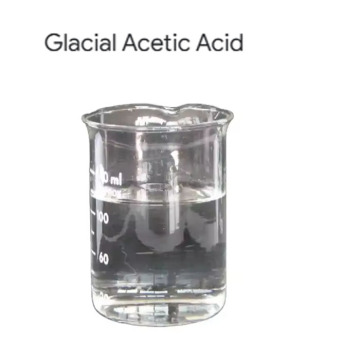


An organic solvent is any carbon-based liquid capable of dissolving other substances to form a solution. These chemical compounds are fundamental building blocks in industrial manufacturing, serving as carriers for pigments, catalysts for reactions, and extraction mediums for natural products. For procurement specialists, selecting the right organic solvent is critical for ensuring product purity, reaction efficiency, and regulatory compliance.
Common types include alcohols, ketones, esters, and aromatic hydrocarbons. Each category offers distinct properties such as polarity, boiling point, and solubility parameters that dictate its application. Whether you are sourcing solvents for pharmaceutical synthesis, coating formulations, or cleaning processes, understanding the specific chemical nature of the solvent ensures optimal performance in your final product.
At TIANJIN GNEE BIOTECH CO., LTD., our commitment to quality extends beyond basic compliance. As a manufacturer established in 2016 with over 200 employees and an 800-square-meter facility, we integrate rigorous quality control measures into every stage of organic solvent production. Our state-of-the-art laboratories ensure that every batch meets precise specifications for purity, moisture content, and impurity levels.
We source premium raw materials from verified suppliers, ensuring traceability and consistency. This strict upstream control minimizes variability in the final organic solvent product, reducing risk for your supply chain.
Our manufacturing processes utilize advanced distillation and purification technologies. This allows us to achieve high-purity grades suitable for sensitive applications like food additives and pharmaceutical intermediates.
Every shipment undergoes comprehensive testing. We provide detailed Certificates of Analysis (CoA) with each order, giving you full visibility into the product's chemical composition before it arrives at your facility.
Need specific purity levels or specialized blends? Our R&D team works with you to tailor organic solvent solutions that meet your exact technical requirements, supporting both standard and custom orders.
Selecting a reliable supplier for organic solvents requires more than just comparing prices. You need a partner who understands the complexities of chemical logistics, safety regulations, and quality consistency. Here is what to look for when evaluating potential vendors.
Prioritize suppliers with their own production facilities. Companies like Gneebio, which manufacture their own organic chemicals and intermediates, offer better control over pricing, lead times, and quality adjustments compared to pure trading companies.
A good supplier provides technical data sheets, safety information (SDS), and application support. Look for partners who can help you troubleshoot issues related to solubility, reactivity, or compatibility in your specific process.
Ensure the supplier adheres to international standards for chemical handling and export. Verify their certifications and ability to provide necessary documentation for customs clearance and regulatory approval in your region.
Use this checklist to streamline your procurement process and mitigate risks when sourcing organic solvents. Each item addresses a critical factor in ensuring supply chain reliability and product quality.
Sourcing organic solvents globally comes with unique challenges. Understanding these common pitfalls helps you avoid delays, cost overruns, and quality issues. Below are frequent problems buyers face and how to address them.
Problem: Batch-to-batch variations in purity can disrupt chemical reactions or product formulations.
Solution: Work with manufacturers who have robust QC labs and provide consistent CoAs. Request pre-shipment inspections for large orders.
Problem: Chemical shipments often face strict regulatory scrutiny, leading to port delays.
Solution: Ensure all documentation (MSDS, Export Licenses) is accurate and complete. Partner with suppliers experienced in international chemical logistics.
Problem: Improper packaging can lead to leaks, contamination, or safety hazards during transit.
Solution: Specify industry-standard packaging materials (e.g., HDPE drums, steel cylinders) and require impact-resistant outer packaging for fragile items.
Problem: Receiving a different solvent than ordered due to labeling errors or supplier mix-ups.
Solution: Clearly label purchase orders with CAS numbers and chemical names. Implement receiving protocols to verify contents against delivery notes.
When looking for a long-term partner for organic solvents, consider suppliers with proven manufacturing capabilities, diverse product ranges, and a commitment to customer success. Here are key attributes to prioritize.
Choose suppliers who produce their own organic chemicals, intermediates, and additives. Integrated manufacturers like Gneebio offer greater control over quality, cost, and supply continuity, reducing reliance on third-party sources.
A supplier offering a wide range of products—from plastic raw materials to food additives—can simplify your procurement workflow by consolidating orders and reducing vendor management overhead.
Look for suppliers who emphasize long-term partnerships and tailor-made solutions. They should be responsive to inquiries, flexible with MOQs, and proactive in addressing your specific technical needs.
Get answers to common questions about sourcing, handling, and applying organic solvents in industrial processes.
The most common types include alcohols (like ethanol and methanol), ketones (such as acetone and MEK), esters (like ethyl acetate), and aromatic hydrocarbons (like toluene and xylene). The choice depends on the polarity and solubility requirements of the substance being dissolved.
To ensure quality, request detailed Certificates of Analysis (CoA) and Safety Data Sheets (SDS) before ordering. Ask for samples to test in your lab. Prefer suppliers with established manufacturing facilities and international quality certifications. Regular audits and clear communication regarding specifications are also essential.
Many organic solvents are classified as hazardous materials due to flammability, toxicity, or reactivity. Proper classification, packaging, labeling, and documentation (including MSDS) are required for safe and legal transportation. Your supplier should have experience in handling hazardous cargo logistics.
Yes, many manufacturers, including Gneebio, offer tailored chemical solutions. You can specify desired purity levels, moisture content, or specific impurity limits. Custom blending and purification services are often available to meet precise application requirements.
MOQs vary depending on the solvent type, packaging, and supplier. Some suppliers may accept small trial orders, while others prefer bulk quantities for economic production runs. It is best to discuss your volume needs directly with the supplier to negotiate flexible terms.
Privacy statement: Your privacy is very important to Us. Our company promises not to disclose your personal information to any external company with out your explicit permission.
Fill in more information so that we can get in touch with you faster
Privacy statement: Your privacy is very important to Us. Our company promises not to disclose your personal information to any external company with out your explicit permission.