

Please Leave Us A Message
Privacy statement: Your privacy is very important to Us. Our company promises not to disclose your personal information to any external company with out your explicit permission.



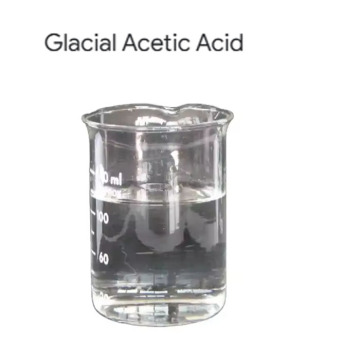


Aromatic organic compounds are a fundamental class of chemical substances characterized by their stable ring structures and delocalized pi-electron systems. These compounds form the backbone of countless industrial products, from pharmaceuticals to advanced materials.
The defining feature of aromatic compounds is their cyclic structure with alternating double bonds (conjugated system). This arrangement provides exceptional thermodynamic stability, making them reliable building blocks for complex chemical synthesis. For procurement specialists, this means consistent reactivity and predictable performance in manufacturing processes.
These compounds serve as essential intermediates across multiple industries. They're used in pharmaceutical manufacturing, agrochemical production, dye and pigment creation, polymer synthesis, and specialty chemicals. Understanding their properties helps buyers select the right raw materials for their specific applications.
The simplest aromatic hydrocarbon, used extensively in producing ethylbenzene, cumene, and cyclohexane for nylon and plastics production.
Valuable solvent and precursor for TNT, benzene, and toluene diisocyanate (TDI) used in polyurethane foams.
Used in printing, rubber, and leather industries. Important for producing phthalic anhydride and resins.
When sourcing aromatic organic compounds, understanding quality control processes is critical for maintaining your supply chain integrity. Our manufacturing partners implement rigorous standards to ensure consistency, purity, and safety across all product batches.
High-purity aromatic compounds are essential for sensitive applications like pharmaceutical synthesis and electronic materials. Standard industrial grades typically offer 99%+ purity, while specialized applications may require 99.5% or higher. Buyers should specify their required purity level based on end-use applications to avoid overpaying for unnecessary specifications or under-specifying for critical processes.
Reputable manufacturers implement comprehensive quality management systems including:
Aromatic compounds often present handling challenges due to flammability and toxicity. Quality manufacturers provide:
Proper packaging prevents contamination and degradation during storage and transit. Common packaging options include:
Choosing the correct supplier for aromatic organic compounds requires careful evaluation of technical capabilities, quality systems, and service reliability. This guide helps procurement professionals make informed decisions that reduce risk and optimize total cost of ownership.
Evaluate the supplier's technical support capabilities. Can they provide detailed specifications? Do they understand your application requirements? Suppliers with strong technical teams can help troubleshoot process issues and suggest alternatives when needed.
Verify that suppliers maintain relevant quality certifications such as ISO 9001, ISO 14001, and industry-specific standards. These certifications demonstrate commitment to consistent quality and environmental responsibility.
Assess the supplier's ability to maintain consistent supply. Consider their production capacity, inventory management, and logistics capabilities. Reliable suppliers provide on-time delivery and flexible order quantities.
Ensure suppliers comply with all relevant regulations including REACH, TSCA, and local environmental laws. Non-compliant suppliers pose significant regulatory risks that can disrupt your operations.
Can they meet your volume requirements? Ask about minimum order quantities and maximum production capacity. Ensure they can scale with your business needs.
What is their lead time? Standard lead times vary by product but typically range from 7-21 days. Emergency orders may incur premium pricing.
Do they provide technical documentation? Request COAs, SDS, and any applicable regulatory compliance documents before placing orders.
What are their payment terms? Understand payment structures, currency options, and any penalties for late payments or early cancellations.
Use this comprehensive checklist to evaluate potential suppliers and ensure you make informed purchasing decisions for aromatic organic compounds. Each item addresses critical factors that impact your supply chain efficiency and total cost of ownership.
Purity level meets application requirements (typically 99%+ for industrial grade)
Impurity profile documented and acceptable for end use
Physical properties match specifications (boiling point, density, etc.)
Stability data available for storage conditions
Valid business license and operating permits
ISO 9001 or equivalent quality certification
Environmental compliance certifications
Financial stability and creditworthiness verified
Clear lead time commitments documented
Appropriate packaging for safe transport
Incoterms clearly defined
Insurance coverage for transit damage
Backup supplier identified for critical materials
Contingency plans for supply disruptions
Regular quality audits scheduled
Clear dispute resolution procedures
Procurement professionals frequently encounter specific challenges when sourcing aromatic organic compounds. Understanding these common issues and their solutions helps minimize disruptions and maintain smooth operations.
The Problem: Variations in purity levels or impurity profiles between different production batches can cause processing issues and affect final product quality.
The Solution: Work only with suppliers who implement strict quality control protocols. Require Certificate of Analysis (COA) for every shipment and conduct incoming quality checks. Establish clear acceptance criteria in your purchase agreements.
The Problem: Raw material shortages, transportation delays, or geopolitical issues can interrupt supply, causing production stoppages.
The Solution: Diversify your supplier base and maintain safety stock levels. Develop relationships with multiple suppliers in different regions. Regularly review market conditions and adjust inventory strategies accordingly.
The Problem: Changing regulations regarding chemical imports, usage restrictions, or documentation requirements can create compliance gaps.
The Solution: Stay informed about relevant regulations in your region and target markets. Work with suppliers who proactively manage compliance. Maintain up-to-date documentation including REACH registrations, TSCA compliance, and local permits.
The Problem: Improper storage conditions can lead to product degradation, oxidation, or contamination, especially for sensitive aromatic compounds.
The Solution: Follow manufacturer storage recommendations precisely. Control temperature, humidity, and light exposure. Use appropriate container materials and ensure proper sealing. Implement FIFO (First In, First Out) inventory management.
Based on industry best practices and buyer experience, here are the key characteristics to look for when selecting a supplier of aromatic organic compounds. These recommendations help ensure reliable supply, consistent quality, and competitive pricing.
Prioritize suppliers with demonstrated manufacturing capabilities rather than pure trading companies. Manufacturers have direct control over quality parameters, production schedules, and technical support. Look for companies with at least 5-10 years of operational history in aromatic compound production.
Suppliers with vertical integration—from raw material sourcing through production to distribution—offer greater supply chain resilience. They can better manage price fluctuations, ensure material availability, and provide more competitive pricing due to reduced intermediary costs.
Choose suppliers who employ qualified chemists and technical staff who can assist with application questions, troubleshooting, and alternative product recommendations. Strong technical support reduces downtime and helps optimize your processes.
Effective international suppliers maintain established logistics partnerships and understand hazardous materials shipping requirements. They should be able to handle customs documentation, provide appropriate packaging for international transport, and offer multiple shipping options.
Look for suppliers who accommodate varying order sizes, from pilot batches to full production runs. Flexibility in minimum order quantities helps you manage inventory costs while ensuring you can scale orders as demand increases.
Responsive communication is critical for successful procurement. Select suppliers who provide regular updates, respond promptly to inquiries, and maintain transparent pricing structures. Clear communication prevents misunderstandings and builds long-term partnership value.
This FAQ addresses common questions from procurement professionals sourcing aromatic organic compounds. The answers cover technical specifications, ordering processes, quality assurance, and logistical considerations.
Standard industrial grades typically offer 99% purity or higher. Specialized applications may require 99.5%, 99.9%, or ultra-high purity grades depending on end-use requirements. Pharmaceutical-grade aromatic compounds often require additional purification steps and come with extensive documentation. Always specify your required purity level when requesting quotes to ensure accurate pricing.
Most aromatic compounds should be stored in cool, dry, well-ventilated areas away from direct sunlight and heat sources. Temperature control is critical—many compounds degrade if stored above 25°C. Keep containers tightly sealed to prevent moisture absorption and oxidation. Store away from oxidizing agents, acids, and bases to prevent unwanted reactions. Always follow the specific storage instructions provided in the Safety Data Sheet (SDS).
Every shipment should include: Certificate of Analysis (COA) confirming purity and specifications, Safety Data Sheet (SDS) for handling and emergency procedures, Commercial invoice and packing list, Bill of lading or air waybill, and any required regulatory compliance certificates (REACH, TSCA, etc.). Request these documents before shipment to ensure timely customs clearance.
Standard lead times range from 7-21 days depending on product availability, order quantity, and shipping method. Common solvents like toluene and xylene often have shorter lead times due to high production volumes. Specialty or custom-grade compounds may require 3-4 weeks. Rush orders are usually available but may incur premium pricing. Discuss your timeline requirements with suppliers early in the procurement process.
Yes, most aromatic compounds are classified as hazardous materials due to flammability and/or toxicity. Shipping requires proper packaging meeting international dangerous goods regulations, appropriate hazard labeling and placarding, trained personnel for handling and loading, and compliant documentation for customs and carrier requirements. Work with experienced freight forwarders who specialize in chemical shipments to ensure compliance and safety.
Request copies of quality certifications (ISO 9001, ISO 14001), ask for references from existing customers, request sample testing before committing to large orders, conduct facility audits if possible, review their quality control procedures and testing equipment capabilities, and verify their complaint handling and corrective action processes. A reputable supplier will welcome these verification steps.
Many aromatic compounds are volatile organic compounds (VOCs) subject to environmental regulations. Proper disposal procedures must be followed for waste materials and contaminated packaging. Some compounds may require special handling to prevent soil and water contamination. Working with suppliers who demonstrate environmental responsibility and provide guidance on sustainable disposal practices helps minimize regulatory risks and supports corporate sustainability goals.
Privacy statement: Your privacy is very important to Us. Our company promises not to disclose your personal information to any external company with out your explicit permission.
Fill in more information so that we can get in touch with you faster
Privacy statement: Your privacy is very important to Us. Our company promises not to disclose your personal information to any external company with out your explicit permission.