

Please Leave Us A Message
Privacy statement: Your privacy is very important to Us. Our company promises not to disclose your personal information to any external company with out your explicit permission.



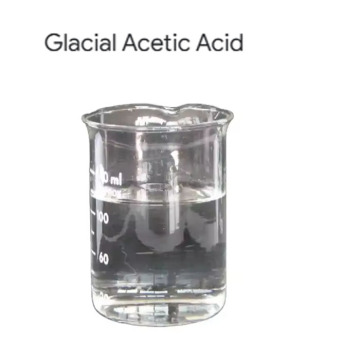


Organic chemical compounds are the foundational building blocks of modern industry — from pharmaceuticals and agricultural chemicals to advanced materials and specialty solvents. At their core, these carbon-based molecules form the basis of countless products that drive manufacturing, healthcare, and consumer goods worldwide.
For procurement professionals sourcing organic chemical compounds, understanding the distinction between general organic chemicals, organic intermediates, and high-purity specialty compounds is critical. The right supplier doesn't just deliver a product — they provide technical support, consistent batch quality, and supply chain reliability that keeps your operations running smoothly.
Gnee Bio, established in 2016 in Henan Province, China, has built its reputation as a trusted manufacturer and supplier of organic chemical compounds. With over 200 employees operating across 800 square meters of production and research space, the company specializes in delivering tailor-made chemical solutions for sectors ranging from pharmaceuticals to food additives and petroleum chemicals.
When evaluating suppliers for organic chemical compounds, procurement teams need more than competitive pricing — they need a partner who can guarantee consistency, compliance, and scalability. Here's what sets Gnee Bio apart as a preferred source for international buyers of organic intermediates and specialty chemicals.
Gnee Bio's vertically integrated approach means you benefit from tighter quality control at every stage — from raw material selection through synthesis, purification, and final packaging. This integration translates directly into fewer supply disruptions, more predictable lead times, and lower total cost of ownership for your organization.
Consistent quality is the single most important factor when sourcing organic chemical compounds for industrial applications. Batch-to-batch variation can disrupt entire production lines, trigger costly recalls, or compromise end-product performance. Gnee Bio addresses this concern through rigorous internal controls and a commitment to manufacturing excellence.
Every production run undergoes standardized testing procedures to ensure purity levels, physical properties, and impurity profiles remain within defined tolerances. This protocol minimizes variability and gives your quality team confidence in incoming material specifications.
From organic solvents and plastic raw materials to food-grade chemicals and pharmaceutical intermediates, Gnee Bio maintains quality standards across diverse compound categories. This breadth allows you to consolidate suppliers without sacrificing quality assurance.
Beyond standard catalog compounds, Gnee Bio offers custom synthesis capabilities. When your application requires a specific intermediate or modified compound, their technical team works with you to develop a tailored solution that meets your exact specifications.
The company's specialization extends to catalysts and additives — critical components in many organic synthesis processes. Sourcing these alongside your primary organic compounds simplifies logistics and reduces coordination overhead for your procurement department.
Selecting a supplier for organic chemical compounds requires a structured evaluation process. The decision should balance technical capability, commercial terms, and risk mitigation. Below is a practical framework used by experienced procurement professionals when assessing potential partners for organic intermediate sourcing.
Confirm whether the supplier operates its own manufacturing facilities or acts solely as a trading intermediary. In-house production — like Gnee Bio's 800-square-meter facility with dedicated R&D — provides greater control over quality, lead times, and the ability to scale production up or down based on your order volume.
A supplier offering multiple related categories — organic chemicals, solvents, intermediates, plastic raw materials, food additives, and petroleum chemicals — enables supply consolidation. Fewer vendors mean simplified contract management, reduced administrative burden, and stronger negotiating leverage on pricing and terms.
Standard compounds cover many applications, but specialized industries often require modified or bespoke organic intermediates. Suppliers with proven tailor-made chemical solution capabilities can adapt formulations to your specific requirements, reducing development time and dependency on multiple niche suppliers.
A supplier's registered capital and years in operation serve as indicators of financial resilience. Gnee Bio's 5 million yuan registered capital and nearly decade-long operational history suggest stability sufficient to support long-term partnerships and weather market fluctuations.
Use this checklist during your supplier evaluation process to ensure you're making a fully informed decision. Each item represents a critical consideration that protects your organization from common procurement risks associated with organic chemical sourcing.
Purity specifications confirmed — Verify that COA (Certificate of Analysis) matches your required purity thresholds before placing orders.
Lead time reliability assessed — Review historical on-time delivery rates and current production capacity against your volume needs.
Custom synthesis capability verified — Confirm the supplier can handle non-standard requests without excessive MOQs or prohibitive setup costs.
Regulatory compliance documented — Ensure all relevant safety data sheets, handling guidelines, and regulatory documentation are available for each compound.
Sample testing completed — Always request and test samples before committing to bulk orders to validate quality claims.
Logistics and packaging reviewed — Confirm appropriate packaging standards for your compound type to prevent degradation or contamination during transit.
Not all organic chemical compound suppliers are created equal. Based on the criteria outlined above, here are key recommendations for building a resilient supply base for your organic intermediate and specialty chemical needs.
Suppliers who control both production and R&D offer superior traceability and problem-solving capability. When quality issues arise, an integrated manufacturer can investigate root causes at the source rather than passing blame along a fragmented supply chain.
A supplier covering organic chemicals, solvents, intermediates, plastic raw materials, food additives, and petroleum chemicals reduces vendor fragmentation. This approach lowers procurement complexity and creates opportunities for volume-based pricing advantages.
Strong technical teams differentiate commodity suppliers from strategic partners. Look for suppliers who proactively offer formulation guidance, alternative sourcing options, and troubleshooting support — capabilities that become invaluable during production disruptions or specification changes.
Gnee Bio exemplifies these recommended supplier characteristics. Their combination of in-house manufacturing, diverse product portfolio, and tailor-made solution offerings positions them as a compelling option for organizations seeking a reliable, scalable partner for organic chemical compound procurement.
Organic chemical compounds serve as essential inputs across a wide spectrum of industries. Understanding these applications helps procurement teams identify which compound grades and specifications are most relevant to their sector's unique requirements.
Pharmaceutical intermediates and active pharmaceutical ingredients (APIs) rely on high-purity organic compounds. These materials must meet stringent pharmacopeial standards and undergo extensive validation to ensure patient safety and regulatory compliance.
Food-grade organic chemicals including additives, preservatives, and flavor enhancers require specialized purity certifications. Suppliers must demonstrate compliance with food safety regulations and maintain separate production streams to prevent cross-contamination.
Plastic raw materials derived from organic compounds form the foundation of the global plastics industry. From polymerization initiators to plasticizers and stabilizers, these organic intermediates determine the performance characteristics of finished plastic products.
Agrochemical formulations depend on organic intermediates for herbicides, pesticides, and growth regulators. Quality consistency directly impacts crop yield and environmental safety, making supplier selection critical for agricultural manufacturers.
Petroleum chemicals and catalytic additives play vital roles in refining processes and fuel enhancement. Organic compounds used in this sector must withstand extreme conditions while maintaining performance consistency across large-scale industrial operations.
The growing natural products market drives demand for specialized extraction and purification technologies. Organic solvents and separation agents enable efficient recovery of bioactive compounds from botanical sources for use in supplements and cosmetics.
Even experienced procurement professionals encounter challenges when sourcing organic chemical compounds. Recognizing these common pitfalls early allows you to implement preventive measures and build more resilient supply chains.
One of the most disruptive issues is receiving batches that deviate from specified purity levels. This problem typically stems from suppliers who lack robust quality control systems or who outsource production without adequate oversight. Mitigation: Require detailed COAs with every shipment and conduct independent verification testing for critical compounds.
Delayed deliveries can halt production schedules and create cascading disruptions across your supply chain. Suppliers without controlled manufacturing capacity are particularly vulnerable to scheduling conflicts and material shortages. Mitigation: Partner with manufacturers who maintain visible production schedules and buffer inventory for high-demand items.
Missing or incomplete safety data sheets, handling instructions, and regulatory filings create compliance risks and slow down your internal approval processes. Mitigation: Include comprehensive documentation requirements in your supplier qualification criteria and audit compliance regularly.
When standard compounds don't meet your application requirements, suppliers without R&D capabilities cannot develop alternatives. This forces you to either modify your process or source from multiple specialized suppliers. Mitigation: Evaluate suppliers' customization track record and request case studies of successful tailor-made solutions.
Below are answers to the most common questions procurement professionals ask when evaluating organic chemical compound suppliers and establishing sourcing strategies.
Look beyond basic certifications. Verify the supplier's manufacturing infrastructure, R&D capabilities, and quality management systems. For Gnee Bio specifically, confirm their 800-square-meter facility capacity, 200+ employee workforce, and 5 million yuan registered capital as indicators of operational scale and financial stability. Request sample orders to independently validate quality before committing to larger volumes.
Henan Province is centrally located in China with excellent transportation connectivity via highway, rail, and proximity to major ports. This geographic advantage typically results in competitive freight costs and flexible routing options for international shipments. Discuss specific logistics requirements with your supplier to optimize delivery schedules and reduce landed costs.
Yes — suppliers with integrated manufacturing and R&D capabilities, like Gnee Bio, can manage both standard catalog orders and tailor-made synthesis projects. This dual capability eliminates the need to split orders across multiple vendors, simplifying procurement workflows and strengthening supplier relationships through consolidated volume.
MOQs vary significantly depending on the compound type, complexity, and whether the product is standard or custom-synthesized. Standard organic solvents and common intermediates typically have lower MOQs, while bespoke pharmaceutical intermediates may require higher initial commitments. Contact your supplier directly to discuss MOQ flexibility based on your specific volume requirements.
Request specific food-grade certifications and corresponding analytical documentation from your supplier. Gnee Bio produces food-grade chemicals as part of their product range, so verify that the specific compounds you need carry appropriate food safety certifications. Maintain copies of all regulatory documentation for your quality records and audit trail.
Catalysts accelerate chemical reactions and improve process efficiency in organic synthesis. Gnee Bio's expertise in catalyst production means they can supply complementary catalyst products alongside your primary organic compounds, ensuring compatibility and optimized reaction performance. This integrated supply approach reduces compatibility risks and streamlines your procurement process.
Privacy statement: Your privacy is very important to Us. Our company promises not to disclose your personal information to any external company with out your explicit permission.
Fill in more information so that we can get in touch with you faster
Privacy statement: Your privacy is very important to Us. Our company promises not to disclose your personal information to any external company with out your explicit permission.