

Please Leave Us A Message
Privacy statement: Your privacy is very important to Us. Our company promises not to disclose your personal information to any external company with out your explicit permission.



Biodegradable anionic surfactants are high-performance cleaning agents derived from renewable biological sources that break down naturally in the environment. Unlike traditional petroleum-based detergents, these advanced formulations offer superior cleaning power while significantly reducing ecological impact.
For procurement professionals sourcing sustainable chemical solutions, understanding the distinction between conventional and biodegradable anionic surfactants is crucial. These specialized compounds combine effective emulsification and foaming properties with rapid microbial degradation, making them ideal for eco-conscious product lines and compliance with stringent environmental regulations.
Purchasing biodegradable anionic surfactants means securing a supply chain that supports both operational efficiency and environmental responsibility.
TIANJIN GNEE BIOTECH CO., LTD. operates a state-of-the-art production facility in Anyang City, Henan Province, specializing in organic intermediates and specialty chemicals. Our manufacturing processes adhere to rigorous quality control protocols that ensure consistent batch performance for global buyers.
With over 200 employees and 800 square meters of dedicated production space, our facility has been serving industrial sectors since 2016. We maintain strict oversight throughout the synthesis, purification, and packaging stages to deliver biodegradable anionic surfactants that meet international specifications.
Our vertically integrated approach allows us to maintain precise control over raw material sourcing and final product quality, ensuring reliable supply for your formulation needs.
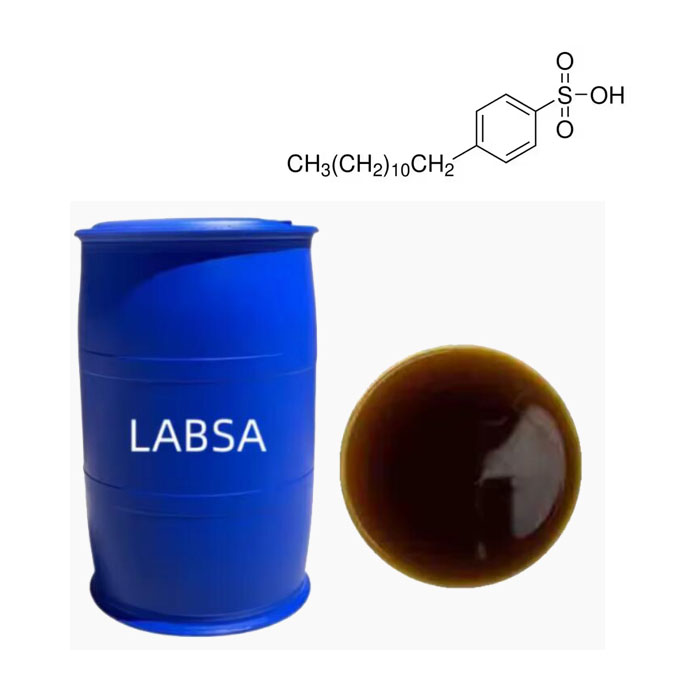
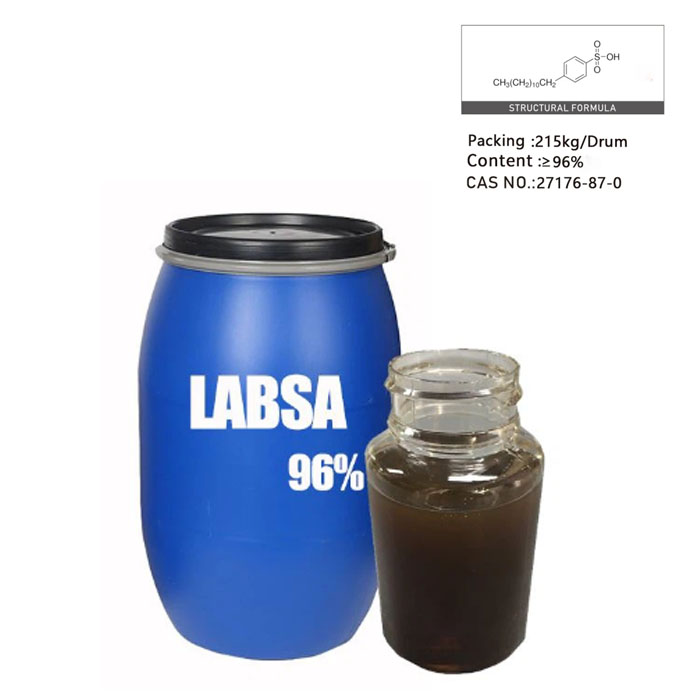
Selecting a reliable supplier for biodegradable anionic surfactants requires careful evaluation of technical capabilities, regulatory compliance, and supply chain stability. Buyers must assess whether potential vendors can consistently deliver products that meet specific application requirements while maintaining competitive pricing.
Key selection criteria include verifying biodegradation certifications, evaluating production capacity, assessing technical support availability, and reviewing the supplier's track record in organic intermediate manufacturing.
When evaluating suppliers, prioritize those who demonstrate transparency in their formulation processes and provide comprehensive technical data sheets. A qualified partner should offer flexible order quantities, reliable lead times, and responsive customer service to accommodate your procurement schedule.
Consider the supplier's expertise in organic solvents, food additives, and pharmaceutical intermediates as indicators of their overall chemical processing capabilities. Companies with diverse product portfolios often possess more sophisticated quality management systems and can provide integrated solutions for complex formulation challenges.
Use this comprehensive checklist to evaluate potential suppliers and ensure you select the best biodegradable anionic surfactant partner for your organization's requirements.
Confirm that the supplier provides valid biodegradation test reports and environmental compliance documentation for all product grades.
Request complete technical data sheets including purity levels, active matter content, viscosity, pH range, and recommended applications.
Compare unit costs across multiple suppliers while considering volume discounts, payment terms, and total landed cost including shipping.
Verify the supplier's ability to handle your required order volumes with consistent quality and reliable delivery timelines.
Always request product samples before committing to bulk orders to verify performance in your specific application environment.
Research the supplier's market presence, client testimonials, and years of experience in organic chemical manufacturing.
Procurement specialists frequently encounter challenges when sourcing biodegradable anionic surfactants. Understanding these common issues and implementing proactive mitigation strategies can save time, reduce costs, and prevent supply chain disruptions.
Some suppliers claim biodegradability without providing verified test data, leading to compliance risks and product recalls.
Biodegradable formulations sometimes exhibit inconsistent foaming characteristics across different water hardness levels and temperature ranges.
Raw material shortages or production bottlenecks can delay deliveries, particularly for specialized organic intermediates with limited manufacturing sources.
Different markets have varying regulations regarding surfactant composition, labeling requirements, and environmental disclosures.
Biodegradable anionic surfactants serve diverse industrial sectors where effective cleaning performance must be balanced with environmental responsibility. Their versatile chemical properties make them suitable for numerous formulation applications across consumer and industrial markets.
Used in shampoos, body washes, and facial cleansers where mildness and effective cleansing are paramount. The biodegradable nature aligns with consumer demand for environmentally friendly personal care products.
Essential ingredient in laundry detergents, dishwashing liquids, and all-purpose cleaners. Provides excellent grease removal and soil suspension while meeting eco-labeling requirements.
Applied in metal degreasing, textile processing, and agricultural equipment cleaning where strong detergency is required alongside reduced environmental persistence.
Utilized in drilling fluids and enhanced oil recovery applications where biodegradability reduces environmental impact in sensitive ecosystems.
Choosing the right supplier is critical to ensuring consistent product quality, reliable delivery, and competitive pricing. Consider these key recommendations when evaluating potential partners for biodegradable anionic surfactant supply.
Suppliers with proven track records in organic intermediate manufacturing typically offer better quality control and more stable pricing than trading companies.
Choose suppliers who provide dedicated technical assistance for formulation optimization and troubleshooting application-specific challenges.
Suppliers committed to sustainable practices demonstrate deeper expertise in biodegradable formulations and stay ahead of evolving environmental regulations.
Medium to large-scale producers can better accommodate volume fluctuations and maintain inventory buffers to prevent supply disruptions.
Regional suppliers may offer logistical advantages including faster transit times, lower freight costs, and simplified customs procedures.
Established suppliers with satisfied long-term clients demonstrate reliability and consistent service quality that benefits new customers.
Get answers to the most common questions buyers ask when sourcing biodegradable anionic surfactants for their formulation needs.
Most modern biodegradable anionic surfactants achieve over 90% biodegradation within 28 days under standard OECD 301 test conditions. However, rates vary depending on molecular structure, concentration, and environmental conditions such as temperature and microbial activity.
Yes, many biodegradable anionic surfactants are formulated to maintain effectiveness in hard water conditions. However, performance varies by specific chemical structure. Request compatibility data from your supplier for your local water hardness levels.
Request biodegradation test reports (OECD 301 series), REACH registration status, SDS documents, and any eco-labeling certifications relevant to your target market. Suppliers should also provide COA (Certificate of Analysis) for each batch.
Biodegradable anionic surfactants typically command a 10-30% premium over conventional petroleum-based equivalents. However, this differential is narrowing as production scales and raw material costs stabilize. Volume purchasing often yields significant discounts.
In many applications, yes. Modern biodegradable formulations match or exceed the performance of traditional surfactants in cleaning efficacy, foaming, and emulsification. Transition feasibility depends on your specific application requirements and regulatory constraints.
Minimum order quantities vary by supplier but typically range from 500kg to 1 metric ton for initial trial orders. Established suppliers often accommodate smaller repeat orders once the relationship is established and product performance is verified.
Privacy statement: Your privacy is very important to Us. Our company promises not to disclose your personal information to any external company with out your explicit permission.
Fill in more information so that we can get in touch with you faster
Privacy statement: Your privacy is very important to Us. Our company promises not to disclose your personal information to any external company with out your explicit permission.