

Please Leave Us A Message
Privacy statement: Your privacy is very important to Us. Our company promises not to disclose your personal information to any external company with out your explicit permission.



Botanical extract powder represents the concentrated essence of plants, transformed through advanced extraction technologies into a versatile, standardized raw material. For buyers in the food, beverage, supplement, and cosmetic industries, this isn't just "plant dust" – it's a precision-engineered ingredient designed to deliver consistent bioactive compounds.
These powders are produced by taking raw botanical materials – leaves, roots, seeds, flowers, or bark – and using solvent-free or food-grade extraction methods to isolate active ingredients like polyphenols, flavonoids, alkaloids, or essential oils. The result is a highly potent, shelf-stable powder that simplifies your formulation process while ensuring batch-to-batch consistency.
The key value proposition for procurement teams is clear: botanical extract powder eliminates the variability of raw plant materials. You get standardized potency, verified purity, and reduced risk of contamination – all critical factors for maintaining product quality and regulatory compliance across your supply chain.
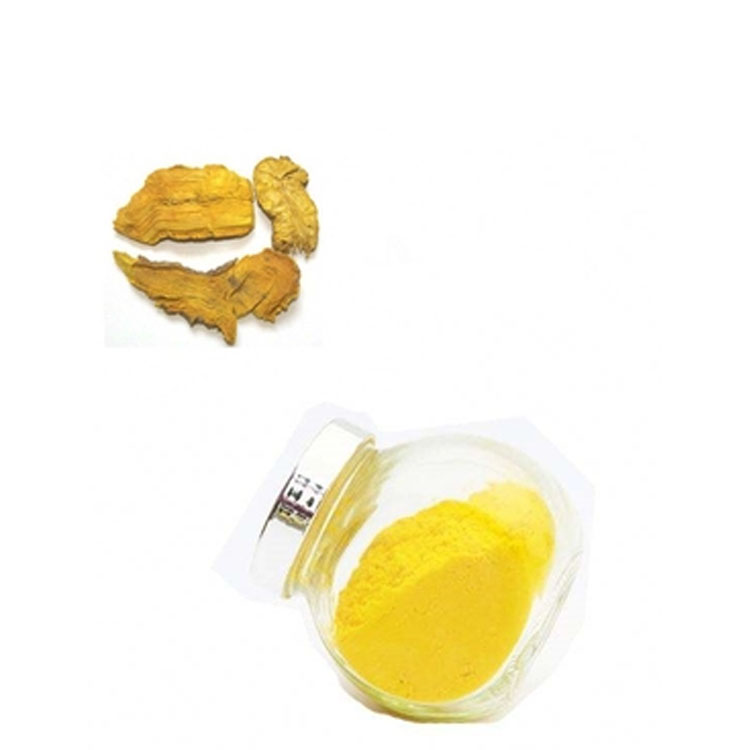
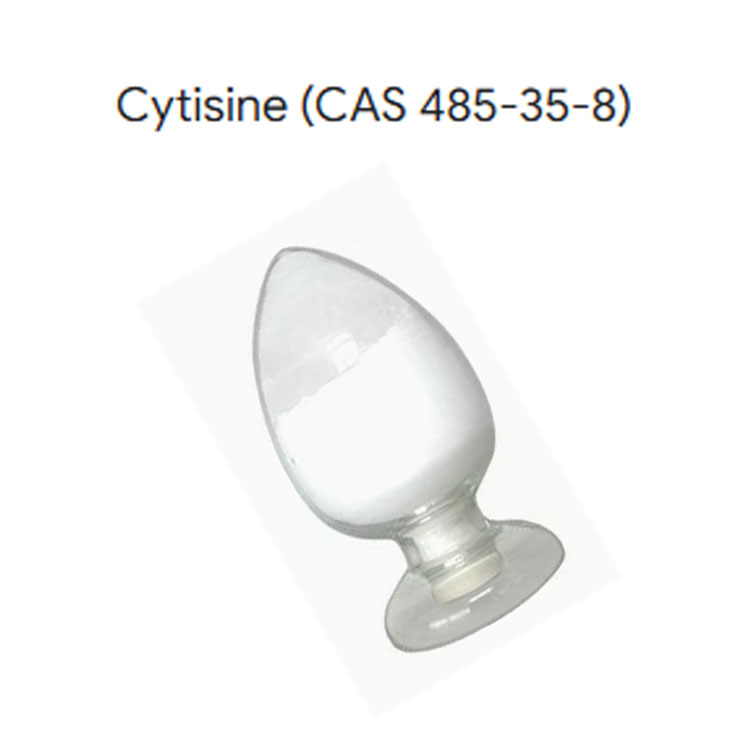
Every batch of botanical extract powder undergoes comprehensive quality assurance testing before release. Our facility employs HPLC, GC-MS, and UV-Vis spectroscopy to verify active compound concentration, ensuring each shipment meets your exact specification sheet. This level of analytical rigor eliminates the guesswork from your incoming quality inspection.
We implement strict controls against heavy metals, pesticide residues, microbial contamination, and foreign matter. Raw materials are sourced from verified botanical origins with full traceability. Solvent residues are monitored to ensure they remain below detectable limits, protecting both product safety and your brand reputation.
With an 800-square-meter facility and over 200 employees, Gneebio operates as a vertically integrated manufacturer specializing in herbal extracts and organic intermediates. Our production lines support both standard catalog products and custom extraction formulations, providing flexibility for buyers ranging from small specialty brands to large-scale industrial purchasers.
Selecting a botanical extract powder supplier requires more than comparing price per kilogram. Buyers must evaluate technical capability, quality infrastructure, and supply chain reliability. Here's what discerning procurement professionals prioritize when sourcing botanical extracts at scale.
Not all botanical extract powder is created equal. Reputable suppliers provide guaranteed minimum concentrations of active markers – whether that's hypericin in St. John's Wort, curcuminoids in turmeric, or ginsenosides in Panax ginseng. Request specification sheets and verify that the supplier uses validated analytical methods (HPLC preferred) rather than visual inspection or basic spectrophotometry alone.
The geographic origin of raw botanicals dramatically affects potency and contaminant risk. Premium suppliers disclose country of cultivation, harvest season, and growing conditions. Ask about their supplier qualification process for raw herb collectors and whether they conduct geo-fingerprinting or DNA barcoding to confirm species identity – critical for preventing adulteration.
Botanical materials are inherently vulnerable to environmental contaminants. A thorough supplier tests for heavy metals (lead, arsenic, cadmium, mercury), pesticides, aflatoxins, total plate count, yeast/mold, E. coli, Salmonella, and residual solvents. Verify testing frequency – is it per batch or per lot? Batch-level testing provides significantly higher assurance for high-value applications.
Your supplier should demonstrate capacity to meet your volume requirements without compromising quality. Inquire about annual production throughput, lead times for standard versus custom orders, and ability to scale during peak demand. Manufacturers with in-house R&D can also help optimize extraction parameters for your specific application needs.
Use this checklist to systematically evaluate potential botanical extract powder suppliers before placing purchase orders. Each criterion addresses a common pain point that procurement teams encounter when managing botanical ingredient supply chains.
Active marker guarantee: Minimum percentage clearly stated on COA
Particle size distribution: Specified for your application (mesh size)
Loss on drying: Moisture content within acceptable range
COA provided: Certificate of Analysis with every shipment
Allergen statement: Gluten-free, GMO-free declarations available
Halal/Kosher: Certifications if required for your market
Lead time commitment: Documented delivery windows
MOQ flexibility: Scalable order quantities for trial and production
Packaging integrity: Food-grade, moisture-proof packaging options
Botanical extract powder serves as a foundational ingredient across multiple high-growth sectors. Understanding how other buyers utilize these extracts helps you identify opportunities for your own formulations and assess supplier expertise in your target market.
The largest application segment for botanical extract powder. Used in capsule, tablet, and softgel formats to deliver standardized doses of bioactive compounds. High-purity extracts enable precise dosing claims and support health function marketing. Key extracts include ashwagandha, turmeric, green tea, and echinacea.
Growing demand for natural flavor enhancers, colorants, and functional ingredients drives botanical extract adoption in beverages, dairy alternatives, and snack foods. Buyers seek water-soluble extracts for drink formulations and oil-soluble variants for fat-based applications. Clean-label positioning is a major purchasing driver.
Skincare, haircare, and personal care manufacturers incorporate botanical extracts for antioxidant properties, anti-inflammatory benefits, and natural branding appeal. Extracts like licorice root, chamomile, and rosemary are valued for skin-soothing and brightening effects. Cosmetic-grade specifications require additional purity validation.
The pet wellness market expands rapidly, creating demand for veterinary-safe botanical extracts. Turmeric for joint support, valerian for calming, and probiotic-supporting herbs represent high-growth categories. Suppliers must demonstrate understanding of animal-specific safety thresholds and palatability requirements.
Traditional medicine systems (TCM, Ayurveda) rely on precisely standardized botanical extracts for clinical efficacy. Pharmaceutical-grade extracts require GMP compliance, pharmacopoeial standards adherence, and extensive stability data. This segment demands the highest level of supplier qualification and documentation.
Neem extract, pyrethrum, and other botanical insecticides offer sustainable alternatives to synthetic chemicals. Agricultural buyers seek extracts with verified pesticidal activity levels and environmental safety profiles. Regulatory approval pathways vary by region, requiring supplier guidance on registration support.
Procurement teams frequently encounter specific challenges when sourcing botanical extract powder. Recognizing these issues early and implementing preventive measures protects your operations from costly disruptions and quality failures.
Botanical crops grown in different seasons or regions produce varying concentrations of active compounds. Without proper standardization, your final product may underperform or fail to meet label claims.
High-value botanicals are sometimes cut with cheaper fillers, synthetic analogs, or unrelated plant materials. This practice compromises product efficacy and creates regulatory liability.
Botanical extracts degrade over time due to oxidation, moisture absorption, or light exposure. Degraded extracts lose potency and may develop off-flavors or discoloration.
Agricultural yields fluctuate due to weather, political instability, or crop disease. Single-source dependencies create vulnerability when raw material shortages occur.
When evaluating potential botanical extract powder suppliers, focus on these five critical dimensions that directly impact your cost structure, quality outcomes, and operational continuity.
Suppliers who control the entire process from raw material sourcing through extraction, purification, and packaging reduce quality risks and improve margin potential. Vertical integration ensures traceability at every stage and enables rapid problem resolution when issues arise. Look for manufacturers with owned cultivation partnerships or direct contracts with herb collectors.
In-house quality control laboratories equipped with HPLC, GC-MS, ICP-MS, and microbiological testing equipment signal serious commitment to quality. External lab outsourcing introduces delays and communication gaps. Prioritize suppliers whose QC teams can issue COAs within 48 hours of batch completion.
Beyond basic sales representatives, effective botanical extract suppliers provide formulating support, application development assistance, and regulatory guidance. Their technical team should understand solubility characteristics, compatibility issues, and optimal inclusion rates for various product formats.
Complete documentation packages including certificates of analysis, allergen statements, non-GMO declarations, kosher/halal certifications, and SDS sheets streamline your vendor qualification process. Suppliers who proactively provide these documents reduce your internal audit burden.
Addressing the most common questions from procurement professionals about botanical extract powder sourcing, specifications, and supplier evaluation.
Most botanical extract powders have a shelf life of 24 to 36 months when stored properly in sealed, moisture-proof packaging at temperatures below 25°C (77°F). Factors affecting longevity include the extract's chemical composition, moisture content, and exposure to light or oxygen. Nitrogen-flushed packaging extends shelf life by minimizing oxidative degradation. Always verify the expiration date on the COA and store extracts according to manufacturer recommendations to maintain potency throughout your inventory cycle.
Verify supplier authenticity through multiple channels: request their business license and facility certification documents, ask for references from existing clients in your region, review third-party lab test results for recent batches, and conduct a virtual or on-site facility audit if ordering at significant volume. Reputable suppliers welcome verification requests and provide transparent documentation. Check for industry association memberships and any history of regulatory actions or import alerts.
MOQs vary widely depending on the specific extract, standardization level, and supplier capacity. Standard catalog extracts typically have MOQs ranging from 1 kg to 25 kg for trial orders, with bulk pricing available at 100 kg to 1,000 kg tiers. Custom or rare botanicals may require higher minimums due to raw material procurement costs. Many manufacturers offer flexible MOQ structures to accommodate new buyers and emerging brands entering the market.
Solubility depends entirely on the extraction method and the nature of the active compounds. Water-soluble extracts (e.g., green tea, elderberry) work well in beverages and aqueous formulations. Oil-soluble extracts (e.g., turmeric oleoresin, annatto) are designed for fat-based applications like confectionery and cosmetics. Some suppliers offer dual-solubility versions or microencapsulated forms that disperse in both media. Always specify your formulation type when requesting quotes to receive appropriate product recommendations.
Essential certifications include ISO 22000 or FSSC 22000 for food safety management, GMP compliance for manufacturing environments, and Halal/Kosher certifications if targeting specific markets. Organic certification (USDA, EU Organic) is valuable for premium positioning. Additional relevant credentials include HACCP, SQF, and Kosher supervision. For pharmaceutical applications, cGMP compliance and pharmacopoeial monograph adherence become mandatory. Request current certificate copies and verify them with issuing bodies.
Powdered botanical extracts generally offer superior shelf stability compared to liquid tinctures or fluid extracts because the absence of water slows microbial growth and chemical degradation. Powders are also lighter and more compact for shipping, reducing logistics costs. However, liquid extracts may provide better immediate bioavailability in certain applications. The choice between powder and liquid depends on your formulation requirements, end-product format, and storage constraints.
Privacy statement: Your privacy is very important to Us. Our company promises not to disclose your personal information to any external company with out your explicit permission.
Fill in more information so that we can get in touch with you faster
Privacy statement: Your privacy is very important to Us. Our company promises not to disclose your personal information to any external company with out your explicit permission.