

Please Leave Us A Message
Privacy statement: Your privacy is very important to Us. Our company promises not to disclose your personal information to any external company with out your explicit permission.



Inorganic chemical compounds are substances that do not contain carbon-hydrogen bonds, distinguishing them from organic chemistry. These materials form the backbone of industrial manufacturing, ranging from basic acids and bases to complex salts and minerals.
For procurement professionals, understanding the distinction is vital for sourcing accuracy. Whether you require high-purity reagents for laboratory use or bulk raw materials for heavy industry, inorganic compounds provide the essential building blocks for catalysts, fertilizers, and construction materials.
Key Benefit: Reliable access to stable, non-combustible chemical foundations ensures consistent production quality across diverse sectors.
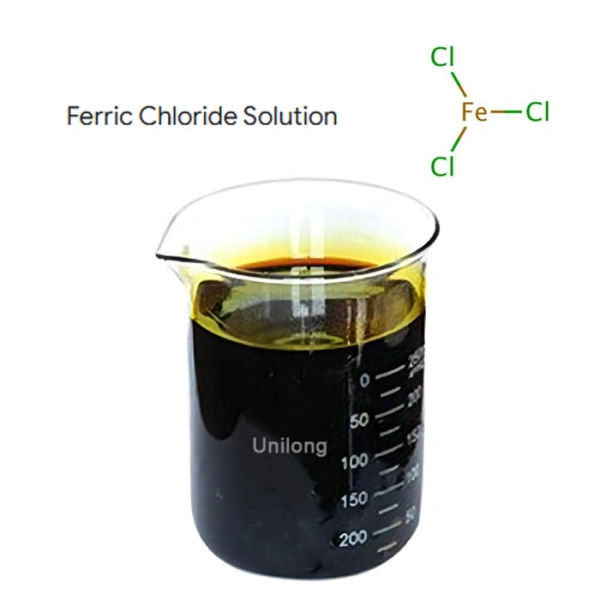
Our manufacturing processes adhere to strict international standards to ensure the highest purity levels for all inorganic chemical compounds. From initial raw material selection to final packaging, every step is monitored to prevent contamination.
Buyer Assurance: Consistent batch-to-batch quality reduces your risk of production downtime and ensures your end-products meet regulatory requirements.
Selecting the right supplier for inorganic chemical compounds requires more than just price comparison. Buyers must evaluate technical expertise, production capacity, and supply chain reliability.
Strategic Advantage: Partnering with established manufacturers like Gneebio provides access to tailored chemical solutions and expert technical support, simplifying your procurement workflow.
Look for suppliers with deep knowledge of chemical properties and applications.
Ensure the supplier can handle your volume requirements consistently.
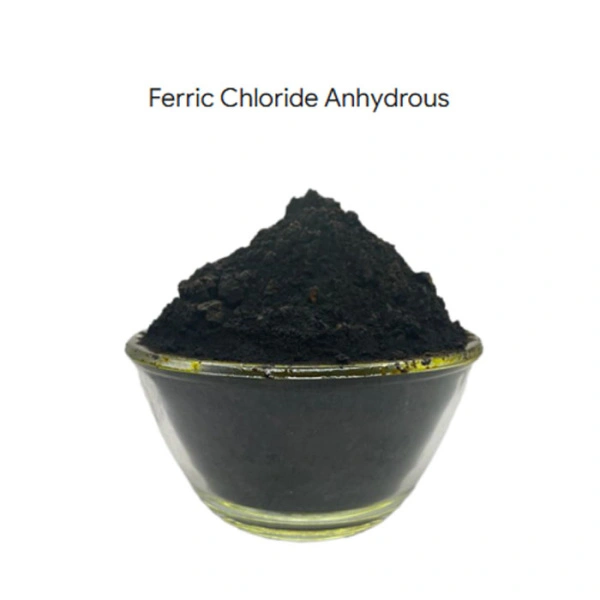
Use this comprehensive checklist to streamline your sourcing process and mitigate risks when purchasing inorganic chemical compounds.
Verify the exact grade required (e.g., analytical, technical, food-grade) and request Certificates of Analysis (CoA).
Ensure complete SDS documentation is available for regulatory compliance and safe handling.
Confirm packaging meets transportation standards for hazardous or sensitive materials.
Assess production schedules to align with your project timelines and avoid delays.
Check for relevant ISO certifications and industry-specific approvals.
Evaluate the supplier's experience in international shipping and customs clearance.
Procurement teams often face specific hurdles when dealing with inorganic chemical compounds. Understanding these common problems helps you prepare better contracts and specifications.
Problem: Inconsistent purity levels across batches can disrupt production processes.
Solution: Work with suppliers who have robust QC systems and provide batch-specific testing data.
Problem: Raw material shortages or logistics issues can delay deliveries.
Solution: Diversify your supplier base and maintain safety stock for critical chemicals.
Problem: Changing regulations can impact import/export of certain compounds.
Solution: Partner with experienced exporters who stay updated on global trade laws.
Problem: Improper storage conditions can degrade chemical stability.
Solution: Ensure proper warehouse facilities and follow recommended storage guidelines.
Inorganic chemical compounds serve as fundamental inputs for numerous industries. Their unique properties make them indispensable in modern manufacturing.
Used as catalysts, reactants, and intermediates in large-scale chemical synthesis.
Essential components in fertilizers, pesticides, and soil treatment products.
Key ingredients in cement, glass, ceramics, and steel production.
High-purity grades used in drug formulation and medical device sterilization.
Critical for semiconductor manufacturing and battery production.
Used for purification, disinfection, and pH adjustment in municipal and industrial water systems.
As a leading supplier and manufacturer of chemical raw materials in China, Gneebio offers distinct advantages for global buyers seeking reliable inorganic chemical compounds.
With over 8 years of experience since 2016, we specialize in producing high-quality organic and inorganic chemicals, ensuring consistent supply for your business needs.
From organic solvents to plastic raw materials, our extensive catalog allows you to consolidate suppliers and simplify procurement logistics.
We provide custom chemical formulations to meet specific industry requirements, reducing your R&D burden and accelerating time-to-market.
We welcome business inquiries and look forward to establishing long-term partnerships that drive mutual success through reliable service and competitive pricing.
Get answers to common questions about sourcing, handling, and specifying inorganic chemical compounds for your business.
The main types include acids (like sulfuric acid), bases (like sodium hydroxide), salts (like sodium chloride), and oxides (like titanium dioxide). Each category serves specific applications ranging from pH control to catalysis and material synthesis.
Request a Certificate of Analysis (CoA) from the supplier. This document should detail the chemical composition, impurity levels, and testing methods used. Reputable suppliers will also provide Safety Data Sheets (SDS) for regulatory compliance.
Storage requirements vary by compound type. Generally, inorganic chemicals should be stored in cool, dry, well-ventilated areas away from direct sunlight. Some compounds may require inert atmospheres or specific temperature controls to maintain stability.
Yes, many suppliers offer customization services. You can specify particle size, purity levels, concentration, and packaging formats to meet your exact operational requirements. This flexibility helps optimize your production processes.
Always consult the Safety Data Sheet (SDS) before handling. Use appropriate personal protective equipment (PPE) including gloves, goggles, and respiratory protection where necessary. Ensure proper ventilation and emergency eyewash stations are available in handling areas.
Gneebio implements rigorous quality control measures at every stage of production, from raw material sourcing to final packaging. Our experienced team monitors synthesis parameters and conducts thorough testing to ensure each batch meets specified purity and performance standards.
Privacy statement: Your privacy is very important to Us. Our company promises not to disclose your personal information to any external company with out your explicit permission.
Fill in more information so that we can get in touch with you faster
Privacy statement: Your privacy is very important to Us. Our company promises not to disclose your personal information to any external company with out your explicit permission.