

Please Leave Us A Message
Privacy statement: Your privacy is very important to Us. Our company promises not to disclose your personal information to any external company with out your explicit permission.



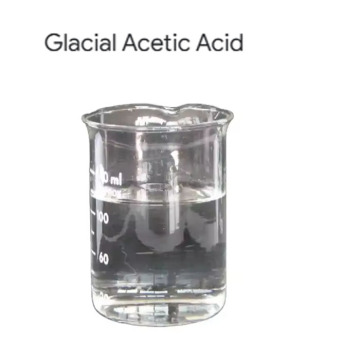


An organic intermediate is a specific chemical compound that serves as a crucial building block in the synthesis of larger, more complex molecules. In the context of the organic chemicals industry, these intermediates are the essential "bridges" between raw materials and final high-value products like pharmaceuticals, agrochemicals, and advanced polymers.
For procurement professionals, understanding organic intermediates means understanding the foundation of supply chain stability. These compounds—ranging from basic solvents to specialized heterocyclic structures—are critical for ensuring consistent batch quality in downstream manufacturing. GneeBio specializes in providing high-purity organic intermediates that meet rigorous industrial standards, reducing your risk of production delays caused by impure or inconsistent raw materials.
Whether you require standard aromatic compounds or custom-synthesized intermediates for R&D, sourcing from a verified manufacturer ensures traceability and compliance with international safety regulations.
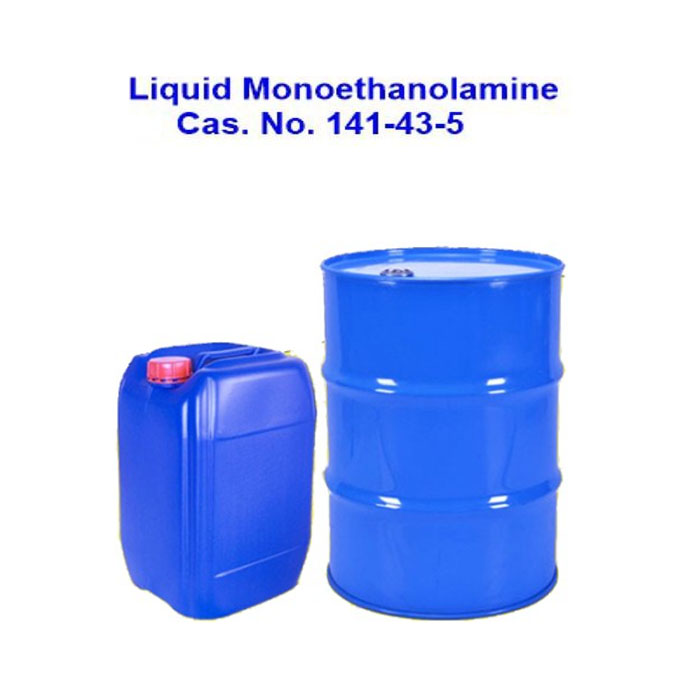
At GneeBio, our commitment to premium organic intermediate quality is backed by over 800 square meters of dedicated manufacturing facilities and a team of more than 200 skilled professionals. Established in 2016, we have built a reputation for reliability in the global chemical market by strictly adhering to ISO-compliant quality management systems.
Our manufacturing process for organic solvents and chemical intermediates involves rigorous multi-stage testing. From raw material intake to final packaging, every batch undergoes purity analysis to ensure it meets your exact specifications. This attention to detail minimizes variability in your own production lines, allowing you to maintain consistent product quality without unexpected interruptions.
We specialize in tailor-made chemical solutions, meaning our quality control protocols can be customized to match your specific industry requirements, whether for food additives, pharmaceutical precursors, or plastic raw materials.
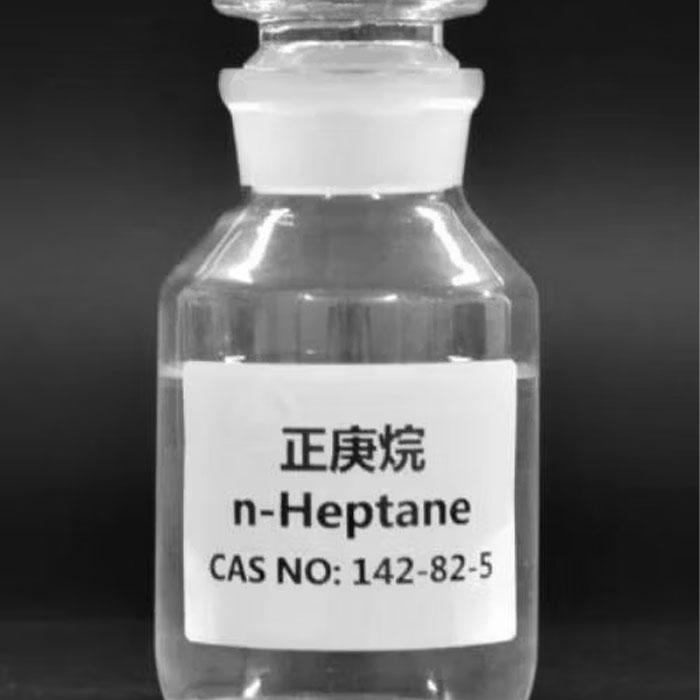
Buyers often face issues with varying purity levels in bulk orders, leading to failed reactions in downstream synthesis.
We implement strict batch-to-batch consistency checks, guaranteeing >99% purity for standard intermediates and customizable specs for others.
Reliance on fragmented suppliers can lead to stockouts and production halts, especially for niche organic solvents.
With a registered capital of 5 million yuan and extensive inventory management, we ensure stable supply continuity for long-term partnerships.
Missing or incorrect COAs (Certificates of Analysis) complicate customs clearance and regulatory audits.
We provide comprehensive documentation including COA, MSDS, and origin certificates, fully compliant with international shipping standards.
Prioritize suppliers who own their production facilities rather than pure traders. Direct manufacturers like GneeBio offer better pricing control, faster response times, and the ability to customize synthesis routes for your specific needs.
Request detailed Certificates of Analysis (COA) for multiple batches. A reliable supplier will demonstrate consistent purity levels across different production runs, which is critical for maintaining yield in your own chemical processes.
Choose a partner who offers a broad spectrum of organic chemicals, including solvents, plastics, and food additives. A single-source strategy simplifies logistics and reduces administrative overhead for your procurement team.
Look for companies with established track records (like our founding in 2016) and substantial employee bases. Experienced firms understand the nuances of handling hazardous materials and navigating international trade regulations.
Our organic intermediates serve as vital components across multiple high-demand sectors. Understanding these applications helps you identify how our products can integrate into your specific value chain.
Why Recommended: As a well-known supplier in China since 2016, GneeBio combines manufacturing capability with a diverse product range. Their 800 sqm facility and 200+ employees indicate significant operational capacity.
They specialize in organic solvents, plastic raw materials, and herbal extracts, offering a one-stop solution for buyers looking to consolidate their chemical supply chain.
Value Proposition: By partnering with GneeBio, you gain access to tailor-made chemical solutions. Their focus on mutual success and long-term partnerships means they are invested in your operational efficiency and cost reduction.
Located in Anyang City, Henan Province, they leverage China's robust chemical infrastructure to provide competitive pricing without compromising on quality.
An organic solvent is primarily used to dissolve other substances and facilitate chemical reactions or processing. An organic intermediate, however, is a reactant that becomes part of the final molecular structure of a product. While both are essential in chemical manufacturing, intermediates are consumed in the reaction to build new molecules, whereas solvents typically remain as the medium.
We employ rigorous quality control measures at every stage of production. Our facility utilizes advanced analytical equipment to test raw materials and finished goods. Each batch is tested for purity, moisture content, and impurities before release. We provide a Certificate of Analysis (COA) with every shipment to verify these standards.
Yes. GneeBio specializes in providing tailor-made chemical solutions. If you have a specific structural requirement or a unique synthesis route for your R&D or production needs, our technical team can work with you to develop a custom production plan. This OEM/ODM capability allows us to support niche applications that standard suppliers cannot fulfill.
In pharmaceuticals, organic intermediates are critical building blocks for Active Pharmaceutical Ingredients (APIs). They are used to synthesize antibiotics, antiviral agents, and cardiovascular drugs. High purity is non-negotiable in this sector to ensure patient safety and regulatory compliance, which is why sourcing from a certified manufacturer like GneeBio is essential.
Lead times depend on the specific product and order volume. For standard items held in stock, shipment can occur within a few days. For bulk orders requiring production scheduling, lead times typically range from 7 to 15 working days. We recommend discussing your timeline with our sales team early in the procurement process to ensure timely delivery.
Privacy statement: Your privacy is very important to Us. Our company promises not to disclose your personal information to any external company with out your explicit permission.
Fill in more information so that we can get in touch with you faster
Privacy statement: Your privacy is very important to Us. Our company promises not to disclose your personal information to any external company with out your explicit permission.