

Please Leave Us A Message
Privacy statement: Your privacy is very important to Us. Our company promises not to disclose your personal information to any external company with out your explicit permission.





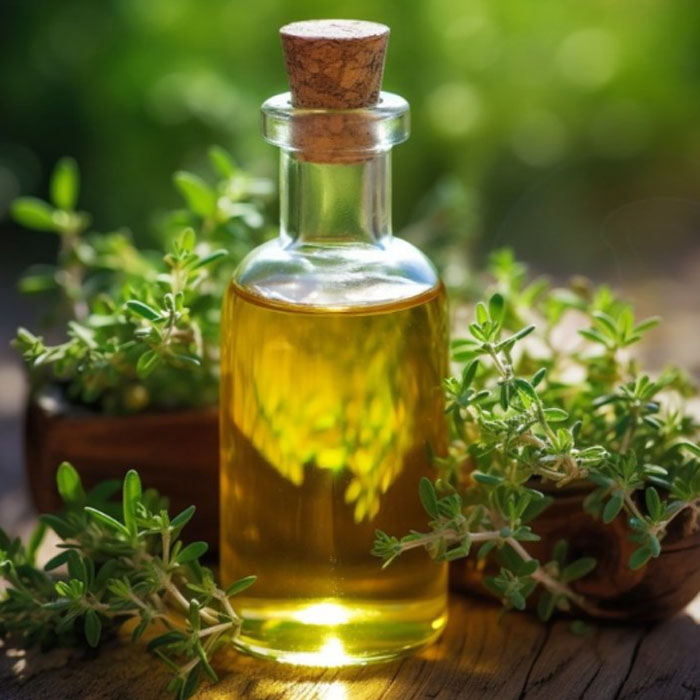
100% natural organic essential oils are highly concentrated hydrophobic liquids containing volatile aroma compounds derived from plants. Unlike synthetic fragrances or chemically processed extracts, these oils retain the complete botanical profile of their source material. Sourced through steam distillation, cold pressing, or solvent-free extraction methods, they offer pure therapeutic properties without artificial additives, pesticides, or GMO contaminants.
For B2B buyers in cosmetics, pharmaceuticals, and aromatherapy, choosing certified organic essential oils ensures compliance with strict international standards while delivering potent biological activity. These oils serve as premium active ingredients for skincare formulations, natural perfumery, wellness products, and functional food applications. The growing demand for clean-label ingredients makes organic essential oils a strategic choice for brands aiming to reduce chemical load and appeal to health-conscious consumers.
Our manufacturing partners adhere to rigorous quality protocols including ISO 22716 (Cosmetics GMP), ISO 9001, and USDA Organic certification. Every batch undergoes third-party GC/MS (Gas Chromatography/Mass Spectrometry) analysis to verify chemical composition and detect contaminants such as heavy metals, pesticides, and residual solvents.
This commitment to verified purity reduces your procurement risk by ensuring consistent product performance across batches. Buyers receive full Certificate of Analysis (CoA) documentation with every order, supporting regulatory compliance in export markets including the EU, US, and Japan.
Every batch verified for chemical profile accuracy and purity.
Organic sourcing meets strict agricultural and processing standards.
Manufacturing follows international cosmetics quality management systems.
When sourcing wholesale organic essential oils, prioritize suppliers who provide transparent traceability from farm to finished product. Verify that raw materials originate from certified organic farms using sustainable cultivation practices. Reputable manufacturers will share origin details, botanical species names (Latin nomenclature), and extraction methods used.
Evaluate the supplier's ability to handle custom specifications, including dilution ratios, packaging formats, and private labeling capabilities. A reliable partner should offer flexible MOQs, consistent lead times, and comprehensive technical support throughout your procurement cycle. Requesting sample orders before committing to bulk purchases allows you to assess fragrance profile, viscosity, and overall quality firsthand.
Use this checklist to evaluate potential suppliers and ensure you secure the highest quality organic essential oils for your business needs.
Valid organic certificates (USDA, EU, JAS)
Recent GC/MS reports available
Safety Data Sheets (SDS) provided
Material Safety Information included
Consistent batch-to-batch quality
Clear production lead times stated
Scalable capacity for large orders
Proven export experience to your region
Botanical Latin name specified
Extraction method clearly documented
No synthetic adulterants detected
Fresh harvest date indicated
Understanding common pitfalls in sourcing organic essential oils helps you avoid costly mistakes and maintain supply chain integrity.
Some suppliers mix pure essential oils with carrier oils or synthetic compounds to reduce costs. This compromises product efficacy and can violate labeling regulations.
Solution: Always request GC/MS test reports and verify against known chemical profiles. Purchase only from suppliers who guarantee 100% purity and offer money-back guarantees on lab results.
Variations in soil, climate, and harvesting time can affect chemical composition between batches, leading to inconsistent product performance in formulations.
Solution: Work with established manufacturers who conduct blend matching and maintain inventory buffers. Request batch-specific analysis reports to track consistency over time.
Climate events, geopolitical issues, or crop failures can cause sudden shortages of popular essential oils, disrupting your production schedule.
Solution: Diversify your supplier base and maintain safety stock for critical items. Choose partners with global sourcing networks and transparent risk management protocols.
Importing essential oils without proper documentation can result in customs delays, fines, or product rejection in regulated markets.
Solution: Ensure your supplier provides complete import documentation including CoA, SDS, organic certificates, and phytosanitary certificates where required.
Organic essential oils serve diverse sectors seeking natural, high-performance ingredients.
Used in serums, moisturizers, and cleansers for their therapeutic properties, antimicrobial benefits, and natural fragrance. Organic certification adds market value for clean beauty brands.
Incorporated into topical treatments, inhalation therapies, and herbal medicine formulations due to proven bioactive compounds and clinical research backing.
Core ingredients in diffusers, massage oils, and relaxation products. Consumers increasingly prefer organic options for personal wellness routines.
Food-grade essential oils flavor beverages, confectionery, and savory products. Organic certification supports clean-label trends in natural foods.
Natural cleaning solutions, laundry detergents, and air fresheners use essential oils for effective deodorizing and antimicrobial action without harsh chemicals.
Specialized organic essential oil blends support pet wellness, flea prevention, and calming products, meeting the growing demand for safe pet care solutions.
When selecting a manufacturer for bulk organic essential oils, consider these key evaluation criteria to ensure long-term partnership success.
Choose suppliers with demonstrated capacity to fulfill large-volume orders consistently. Look for manufacturers operating multiple extraction facilities with integrated quality control systems capable of handling seasonal demand fluctuations.
The best suppliers provide formulation expertise, helping you select the right essential oil grades for your specific application. They should offer customization services including dilution, blending, and private labeling to streamline your procurement workflow.
Prioritize suppliers committed to fair trade practices, biodiversity conservation, and regenerative farming. Transparent supply chains that support local farming communities enhance brand reputation and meet ESG requirements for modern businesses.
Reliable shipping infrastructure is essential for temperature-sensitive essential oils. Select partners with experience in international logistics, proper cold-chain handling, and customs clearance support to minimize delivery delays and landed cost surprises.
Get answers to the most common questions from B2B buyers sourcing 100% natural organic essential oils.
It means the oil was extracted entirely from plant material without any synthetic additives, carrier oils, or chemical processing aids. "Organic" indicates the source plants were grown without synthetic pesticides, herbicides, or GMOs, and the entire production process complies with recognized organic certification standards such as USDA Organic or EU Organic regulations.
MOQs vary by supplier and oil type. Many manufacturers accept trial orders starting at 1kg to 5kg for evaluation purposes. Standard wholesale MOQs typically range from 10kg to 100kg depending on the essential oil variety. Some suppliers offer flexible MOQs for high-demand oils like lavender, tea tree, or peppermint.
Store essential oils in cool, dark environments away from direct sunlight and heat sources. Ideal storage temperature ranges between 10°C and 15°C. Keep containers tightly sealed to prevent oxidation. Most essential oils have a shelf life of 1-3 years depending on the botanical source, so purchasing quantities aligned with your consumption rate helps maintain freshness.
Yes, reputable suppliers always encourage sample testing before committing to bulk purchases. Sample sizes typically range from 5ml to 50ml. Samples allow you to evaluate fragrance profile, purity, and compatibility with your formulations. Most suppliers charge a nominal fee for samples which may be credited back upon placing a bulk order.
Key certifications include USDA Organic (for US market), EU Organic (for European market), JAS Organic (for Japan), and Ecocert. Additionally, look for ISO 22716 (cosmetics GMP), ISO 9001 (quality management), and Fair Trade certification. Always verify that certificates are current and issued by accredited bodies recognized in your target market.
Standard lead times range from 15 to 30 days for in-stock items. For custom orders, specialized blends, or peak season demands, expect 30 to 45 days. Suppliers with robust inventory management systems can often expedite shipments when needed. Discuss your timeline requirements upfront to ensure alignment with production schedules.
Only essential oils specifically graded as "food grade" are suitable for culinary applications. Not all organic essential oils meet food safety standards. Food-grade oils must comply with additional regulatory requirements including GRAS (Generally Recognized As Safe) status in the US or EFSA approval in Europe. Always verify the intended use designation on the product specification sheet.
Request verifiable organic certificates from accredited certifying bodies. Check if the supplier's name appears on the certificate holder list. Ask for recent third-party lab reports (GC/MS). Review their business history, client testimonials, and industry memberships. Conduct facility audits when possible, especially for large-volume contracts.
Privacy statement: Your privacy is very important to Us. Our company promises not to disclose your personal information to any external company with out your explicit permission.
Fill in more information so that we can get in touch with you faster
Privacy statement: Your privacy is very important to Us. Our company promises not to disclose your personal information to any external company with out your explicit permission.