

Please Leave Us A Message
Privacy statement: Your privacy is very important to Us. Our company promises not to disclose your personal information to any external company with out your explicit permission.



Essential oils are highly concentrated hydrophobic liquids containing volatile aroma compounds from plants. For industrial buyers in cosmetics, aromatherapy, and food processing, sourcing high-purity essential oils is critical for product efficacy and brand reputation.
These oils capture the plant's "essence," providing therapeutic properties and distinct fragrances. Whether you are formulating natural skincare, developing flavorings, or creating wellness products, understanding the difference between steam-distilled and cold-pressed extraction methods ensures you select the right grade for your application.
Our supply chain focuses on delivering consistent quality and traceability, helping you maintain strict standards across your production line.
Reliable manufacturing of essential oils requires rigorous control over raw material sourcing, extraction processes, and final purity testing. We ensure that every batch meets international safety and quality benchmarks.
We utilize Gas Chromatography-Mass Spectrometry (GC-MS) to verify the chemical profile of each oil, ensuring no adulteration with synthetic fillers. This guarantees that your end-product delivers the promised therapeutic benefits.
Our suppliers adhere to sustainable agricultural practices, ensuring a steady supply of high-quality botanical materials while supporting environmental responsibility—a key factor for modern brands.
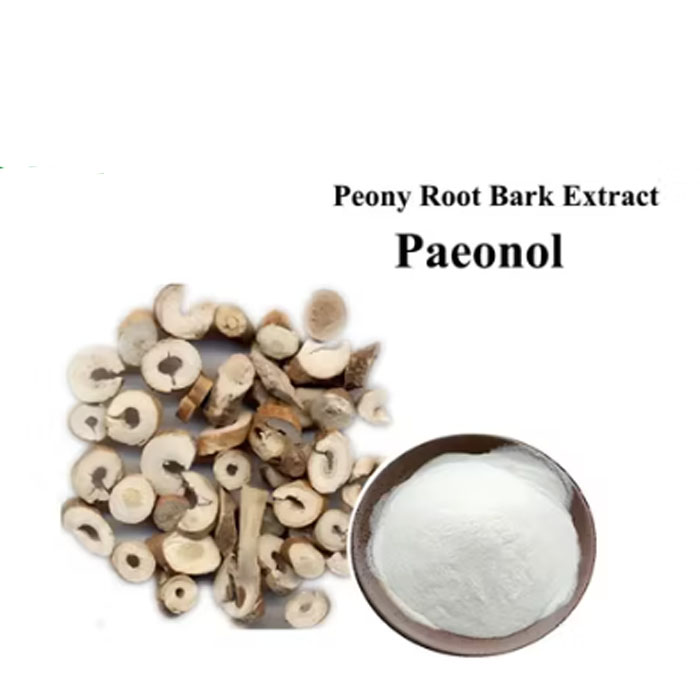
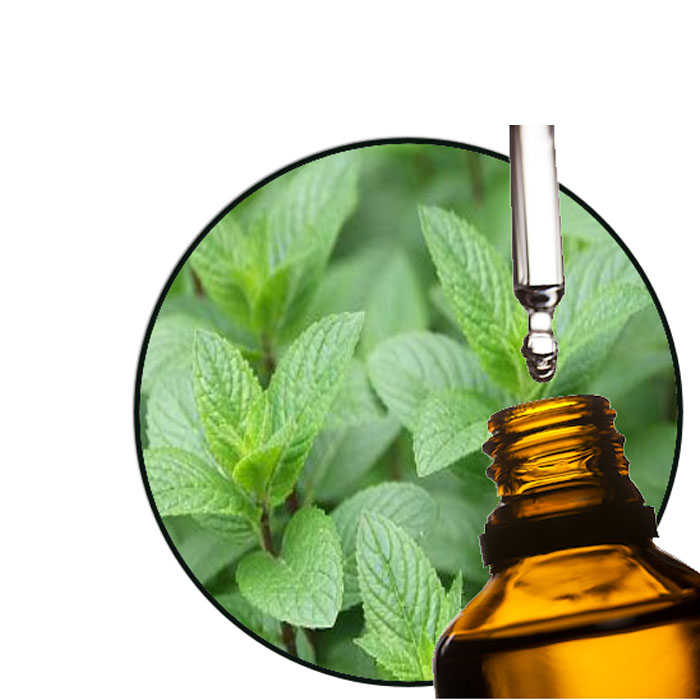
Selecting the right partner for essential oil procurement involves more than just price comparison. You need a supplier who understands regulatory compliance, consistency, and scalability.
Ensure your supplier provides necessary documentation such as COA (Certificate of Analysis), MSDS (Material Safety Data Sheet), and organic certifications if required. This simplifies your import and safety compliance process.
Batch-to-batch consistency is vital for product formulation stability. A reputable supplier offers full traceability from farm to finished oil, allowing you to audit your supply chain with confidence.
Look for partners who can offer customized packaging, blending services, or specific concentration levels to meet your unique production needs.
Use this checklist to evaluate potential suppliers and minimize risk in your sourcing decisions.
To build a resilient supply chain, prioritize suppliers who demonstrate expertise in botanical chemistry and global logistics.
The best suppliers employ chemists and botanists who can guide you on optimal usage rates, compatibility with other ingredients, and shelf-life optimization.
Consumers increasingly demand ethically sourced products. Choose suppliers who practice fair trade and support local farming communities, enhancing your brand's social responsibility profile.
Ensure your supplier has the capacity to scale up production during peak seasons without compromising quality, preventing stockouts that could disrupt your business.
Avoid these frequent pitfalls by implementing strict vendor vetting and quality assurance protocols.
Problem: Oils diluted with carrier oils or synthetics.
Solution: Request independent lab testing results before placing large orders.
Problem: Improper storage leads to rancid oils.
Solution: Ensure suppliers use dark glass containers and temperature-controlled shipping.
Problem: Variations in scent due to harvest conditions.
Solution: Work with suppliers who blend batches to maintain a consistent standard.
Essential oils are 100% natural extracts from plants, offering therapeutic benefits. Fragrance oils are synthetic creations designed to mimic scents but lack the natural properties and health benefits associated with pure essential oils.
Essential oils should be stored in dark glass bottles (amber or cobalt blue) away from direct sunlight, heat, and humidity. Proper storage extends shelf life and preserves the aromatic integrity of the oil.
Many essential oils are safe for cosmetics, but they must be used at recommended dilution levels. Some oils can cause skin sensitivity. Always check IFRA (International Fragrance Association) guidelines for safe usage rates in your specific product type.
Typical documents include the Certificate of Analysis (COA), Material Safety Data Sheet (MSDS), Commercial Invoice, Packing List, and Bill of Lading. Some countries may require additional phytosanitary certificates for plant-based products.
Yes, we can source USDA Organic, EU Organic, or other recognized certifications depending on your market requirements. Ensure you specify this need early in the sourcing process to verify availability and pricing.
Privacy statement: Your privacy is very important to Us. Our company promises not to disclose your personal information to any external company with out your explicit permission.
Fill in more information so that we can get in touch with you faster
Privacy statement: Your privacy is very important to Us. Our company promises not to disclose your personal information to any external company with out your explicit permission.